
1. The Central Figure: The Guardian
- Bald, Serene, and Androgynous: The figure sits in a meditative pose, clothed in a radiant orange robe and pale cloak, suggesting ritualistic calm, wisdom, or initiation. The hairlessness strips away conventional markers of femininity or masculinity, aligning with Fini’s frequent portrayal of androgynous or non-binary archetypes.
- Egg in Hand: The egg is a powerful symbol — often associated with birth, rebirth, and cosmic potential. In the context of phoenixes, it likely symbolizes eternal renewal and transformation.
- Posture and Gaze: Upright, dignified, turned slightly in profile — the guardian commands a solemn presence, more priestess or oracle than passive observer.

2. The Phoenixes
- These strange, birdlike creatures have elongated necks, fierce beaks, and intense gazes. They don’t resemble the traditional flaming phoenix but rather feel like ancient, mythical hybrids — ambiguous, dreamlike, and uncanny.
- Surrounding, Not Dominated: They gather around the guardian, but not submissively. There is a mutual recognition of power and purpose — she doesn’t control them, she communes with them.
- Feathery Movement vs. Stillness: The swirling softness of their feathers contrasts with the figure’s stillness, enhancing the sense of sacred balance between energy and calm, chaos and control.
3. The Landscape
- The dark, scorched land and crimson-red sky suggest a post-apocalyptic or post-sacrificial world — a place after destruction, where rebirth is possible.
- It’s barren, burnt, and glowing, reinforcing the symbolism of the phoenix, which must die in flames to rise again.
- Fini often painted dreamlike, liminal spaces — and here, it’s as though we’re witnessing the moment between death and rebirth.
4. Themes and Symbolism
- Rebirth and Transformation: This is the central myth of the phoenix. The guardian here is a keeper of cycles, a being who protects the threshold between destruction and regeneration.
- Feminine Power and Ritual: The figure recalls priestesses or oracles of ancient myth — caretakers of sacred knowledge rather than objects of beauty. Fini’s women often reject passive femininity in favor of mystical authority.
- Balance Between Worlds: The calm central figure set against a dramatic sky and mythic creatures suggests equilibrium — between body and spirit, life and death, human and animal, conscious and unconscious.
Conclusion
The Guardian of the Phoenixes is not just a painting — it’s a mythic scene of cosmic duty and mystical power. The bald figure is a timeless being, holding the egg of resurrection while surrounded by creatures of flame and rebirth. Fini invites us to reflect on what must die for something new to emerge — and who is entrusted with the sacred role of guarding that passage.
This work is both apocalyptic and hopeful — a tribute to the enduring cycles of transformation, and the quiet power of those who watch over them.
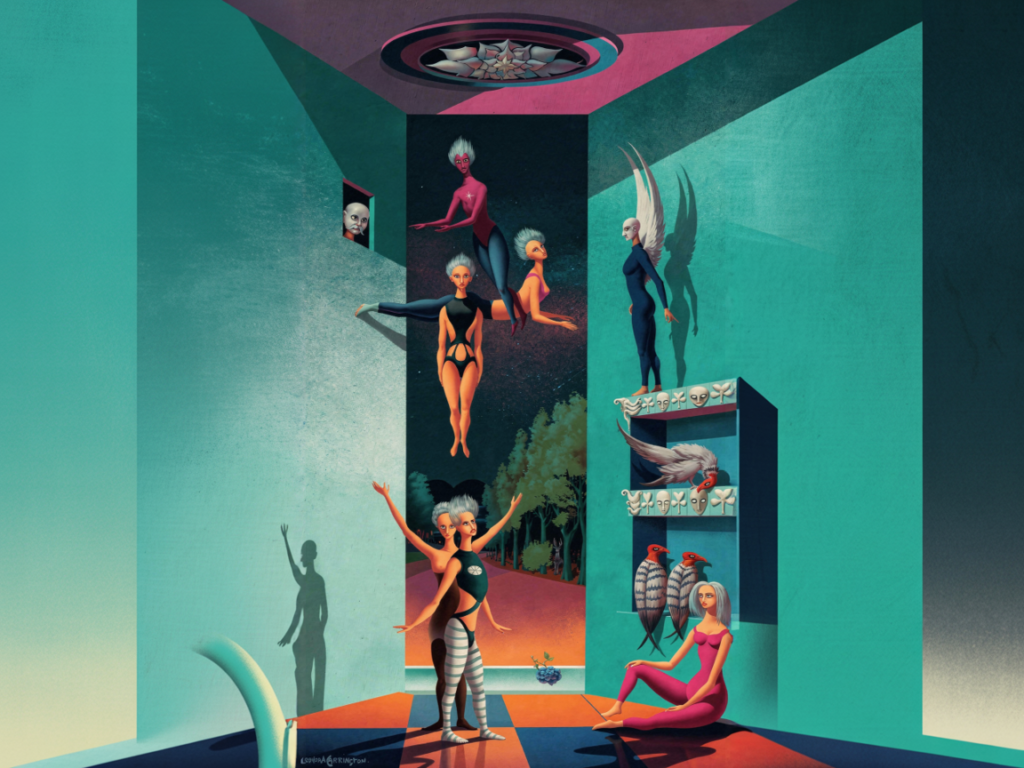
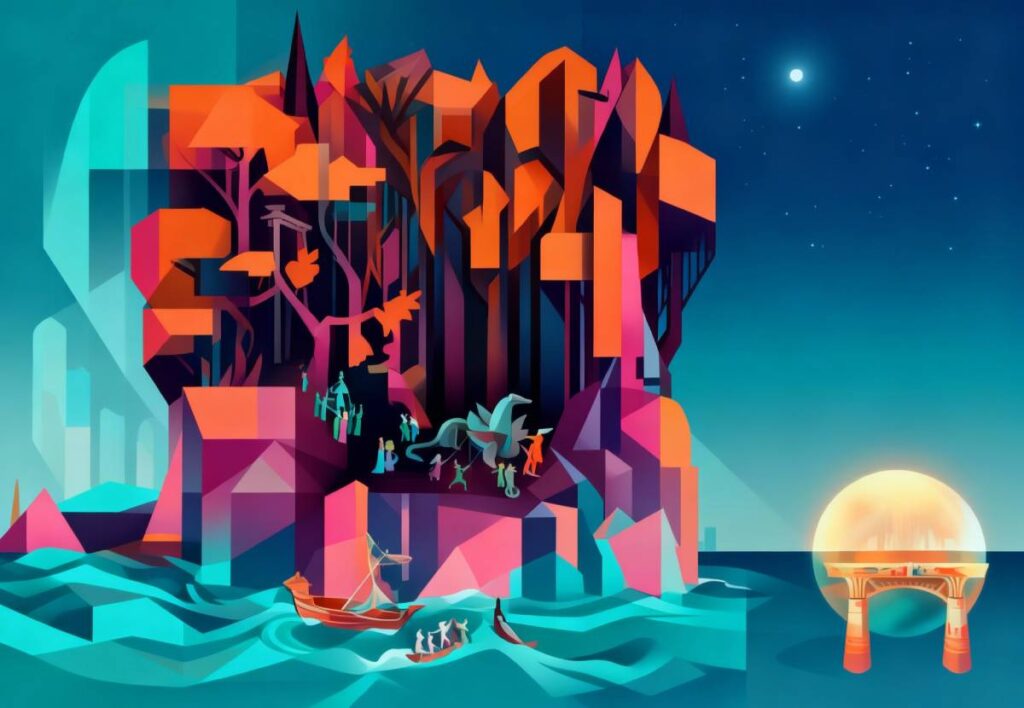
Images in this article are inspired by
Leonor Fini: The Guardian of the Phoenixes (La gardienne des phénix, 1954)